
Reading Time: 3.6 mins
Published: October 28, 2026
When a video or photo of someone being hurt, humiliated or targeted is shared online, it can feel easier for children and young people to ignore it or go along with it than to speak up, especially when their friends are the ones sharing it. Here’s how to help those in your care understand why reporting matters more than ignoring or resharing.
Harmful content is often reposted online or shared around group chats because people want to raise awareness or criticise what they have seen. However, this can affect real people’s lives and sometimes the police have to step in to ask people to do the opposite: delete it and report it.
We should never reshare graphic or violent content, whether it involves local people, someone from school, or footage of a real incident involving identifiable people. Sharing it can breach platform rules and, in some cases, be a criminal offence. It can also interfere with a police investigation. It’s important to remember we may not know the full story so it’s best not to speculate, name anyone involved or identify a school, especially if police are investigating.
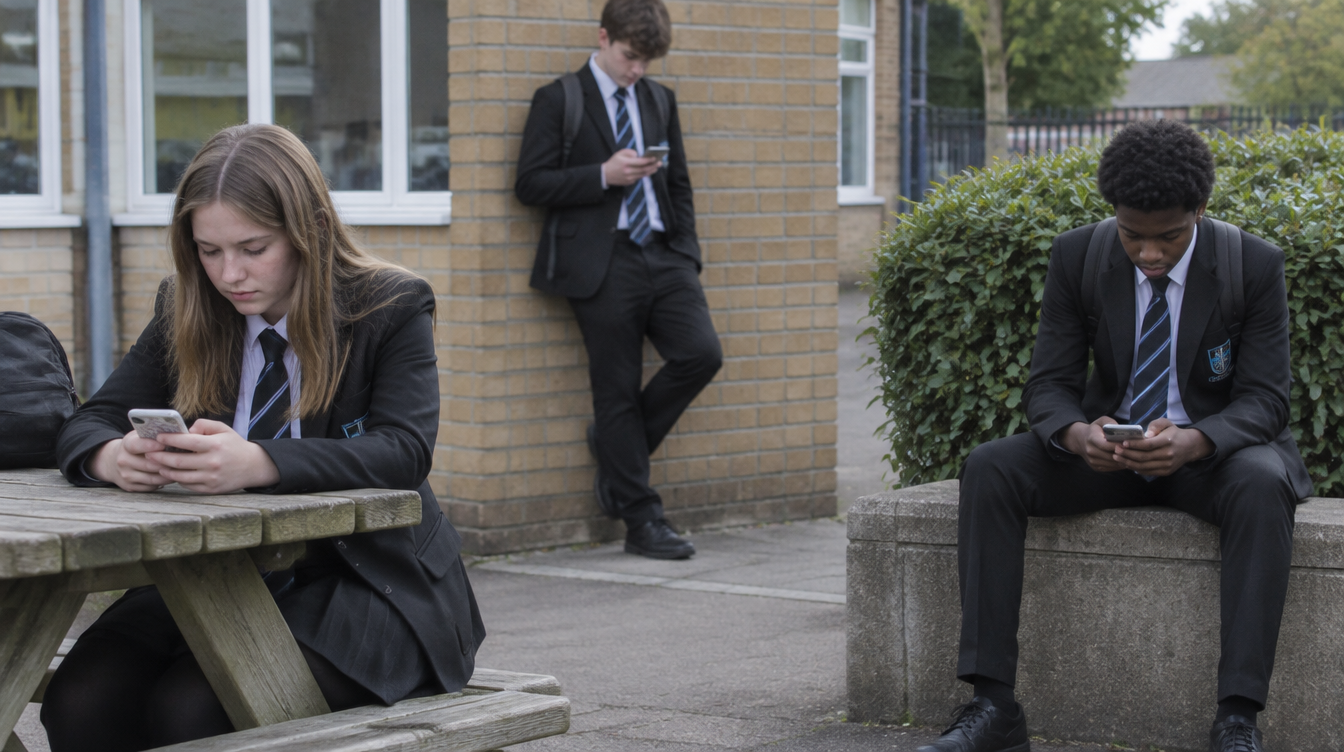
What should never be shared, posted or saved
If young people see content that is violent or dangerous – Do the right thing: don’t reshare, don’t ignore, report.
Remind children and young people that reporting isn’t snitching. It’s part of being a good digital citizen and making online spaces safer. It’s a good opportunity to reinforce that we should always be kind online because every profile belongs to a real person with genuine feelings. Resharing can embarrass, retraumatise or even put the people in the video in harm’s way (for example, through retaliation).
Check out Our Safety Centre for advice on reporting on different platforms.
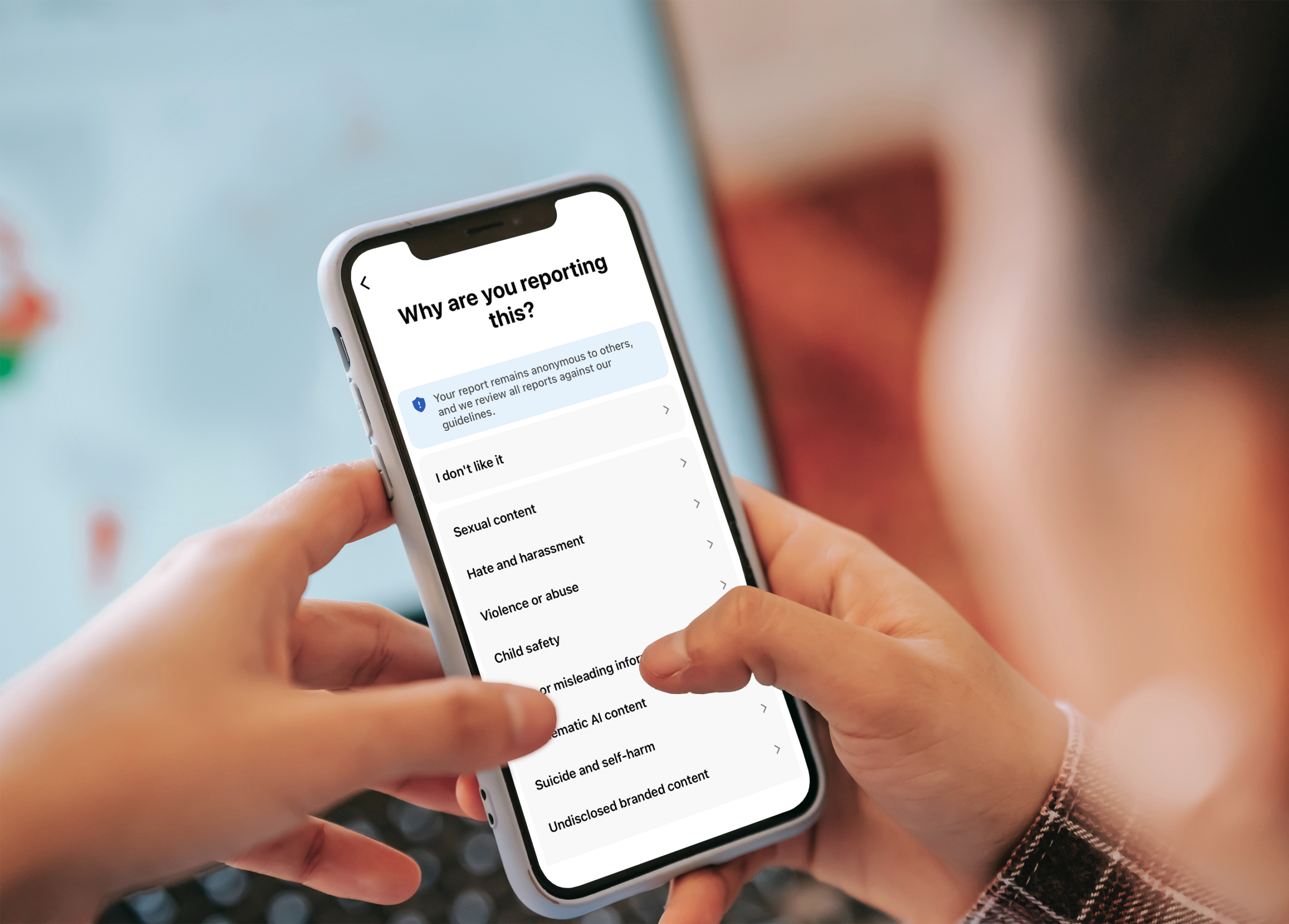
Conversation starters you can try
Remind children and young people that they can talk to you or another trusted adult if they see something online that makes them feel uncomfortable, especially if they’re the one being targeted. Let them know they will not be in trouble for telling you, and that you will listen before deciding together what happens next.


Final Thought
Behind every clip is a real child who did not choose to be seen this way. Each share adds to what they are going through. Each report helps limit how far it spreads. Talk to young people about what they would do if something like this lands in their feed or messages, so reporting feels normal and becomes their first instinct.
Join our Online Safeguarding Hub Newsletter Network
Members of our network receive weekly updates on the trends, risks and threats to children and young people online.